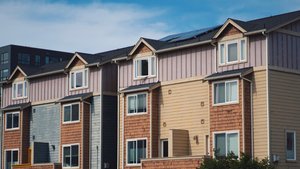
If you are thinking about investing in a short-term rental in Seattle, choosing the right property type matters just as much as choosing the right location. This post breaks down four niche Airbnb strategies that can help a property stand out, stay booked longer, and perform better in a competitive Seattle real estate market.
Most investors spend a lot of time asking where they should buy a short-term rental, but far fewer ask what kind of short-term rental they should actually create. That is a big mistake, especially in a market like Seattle where demand shifts seasonally and guests are often looking for more than just a place to sleep. In Seattle Washington real estate, a generic listing can easily get lost among downtown condos, standard apartments, and basic furnished units. The better strategy is to identify a specific guest type and build the stay around that experience. I’m Brennan Klaus, a Seattle area real estate agent, and in this post I’m breaking down four niche short-term rental concepts that can help investors differentiate their property, attract stronger guests, and protect performance when tourism slows down. If you are buying your first short-term rental or repositioning one you already own, this is where I would start.
4 Short-Term Rental Niches That Stand Out in Seattle
1. The Pet-Friendly Powerhouse
One of the most overlooked short-term rental niches in Seattle is the pet-friendly stay. In a city known for dog-loving households, there is clear demand from travelers who want to bring their pets with them.
Why this niche works
Many listings still do not allow pets
Guests traveling with animals often become repeat bookers
Pet-friendly properties solve a real problem for travelers
Strong pet features can help your listing stand out quickly
Features that improve this niche
Fenced yard or safe outdoor area
Washable rugs and durable finishes
Dog bed or pet station
Clear photos showing where pets can stay comfortably
Important strategy note
Do not just write “pet friendly” in the description. Show it visually in the listing photos. If there is a yard, include it. If there is a dog bed, photograph it. If the property is near a walkable area or dog-friendly spot, mention that too.
2. The Wellness Retreat in the City
This niche has grown quickly over the past few years. Even in urban settings, many travelers are searching for calm, rest, and reset.
Why this niche works
A wellness-focused stay appeals to guests who want:
Quiet
Comfort
Restorative design
A break from busy routines
Features that support a wellness niche
Minimal, calming interiors
Blackout curtains
Yoga mats
Herbal tea setup
Aromatherapy or spa-like touches
Sauna, cold plunge, or soaking tub if the property supports it
Extra ways to strengthen the guest experience
Partner with a local yoga studio
Recommend a nearby spa
Offer a guide to quiet coffee shops, parks, or wellness businesses
This niche can perform especially well during slower seasons when guests are not visiting for peak tourism, but still want a restorative city stay.
3. The Remote Work Sanctuary
Seattle’s tech-heavy identity makes this one especially relevant. Remote workers, project-based travelers, and hybrid professionals often need more than a stylish apartment. They need a place that actually functions for work.
Why this niche works
Remote workers often stay longer
Midweek demand can improve
Guests may return multiple times if the stay works well
It performs well even when leisure travel softens
What this type of guest wants
Dedicated workspace
Reliable, high-speed internet
Quiet environment
Comfortable chair and strong lighting
Functional layout for working and relaxing
Practical upgrades that help
Create a real work zone, not just a tiny desk in the corner
Invest in an ergonomic chair
Test and advertise your Wi-Fi speed
Use smart router systems that allow monitoring and troubleshooting
Highlight quieter locations outside the busiest downtown areas
If your property works for a guest Monday through Friday, you may unlock a longer-stay audience that many tourist-oriented listings miss.
4. The Hyper-Local Experience Stay
This is one of the most interesting niches because it is built around story and neighborhood identity. Guests increasingly want a stay that feels connected to the place they are visiting.
Why this niche works
People want local culture, not just a bed. They want a stay that feels memorable and rooted in the neighborhood.
Examples by area
A Capitol Hill stay stocked with local coffee and craft beer
A West Seattle cottage with bikes for rides near Alki
A Fremont micro-studio featuring local art or recycled design elements
Ways to make this niche stronger
Partner with local businesses
Offer neighborhood recommendations that feel curated
Include local products in the space
Design the listing around the identity of the neighborhood
This works well not only for visitors from out of town, but also for local guests looking for a quick in-city getaway.
Add Local Context: Why Niche Short-Term Rentals Matter in Seattle
Seattle is not a one-note visitor market. Demand changes based on weather, season, work travel, school schedules, and even neighborhood character. That is why choosing the right niche matters so much. A generic property may do well during peak summer months, but struggle once the tourist rush fades. A niche property, on the other hand, can keep attracting a more specific guest throughout the year.
That is especially relevant in neighborhoods with strong identity. Capitol Hill attracts guests who want walkability, nightlife, and a distinctly urban feel. West Seattle appeals to guests who want a more relaxed neighborhood with access to beach areas and local character. Fremont can support a more design-forward or artistic stay. A property near quieter residential zones may be a strong fit for remote workers or wellness-focused travelers. In other words, the niche should not just match the unit. It should match the neighborhood too.
This is where many investors miss the opportunity. They focus only on the property itself, instead of thinking through the guest profile that best fits that part of the city.
Your Take or Experience: My Perspective on What Actually Works
What stands out to me is that specificity usually performs better than trying to appeal to everyone. The more generic a short-term rental feels, the more it competes on price. The more specific and intentional it feels, the more it competes on value.
I have seen this most clearly with pet-friendly listings. A lot of owners worry that allowing pets will automatically create more damage, but that has not been my experience when the property is set up properly and the guest screening is handled well. In many cases, opening the door to pet travelers has led to more bookings and more repeat guests.
The same is true with remote work and wellness-oriented stays. These niches perform well because they solve a real need. They are not just attractive; they are useful. That is a big distinction. A short-term rental that helps a guest work comfortably, relax more deeply, or travel with their dog is doing more than offering a bed for the night. It is delivering a clear experience.
For investors, that is the real opportunity. In a crowded market, you do not always need the fanciest property. You need the clearest guest fit.
Key Takeaways
The best short-term rental strategy is not just about location. It is also about guest niche.
In Seattle, four strong niches are pet-friendly stays, wellness retreats, remote work sanctuaries, and hyper-local experience rentals.
Niche properties often perform better than generic listings because they solve a specific problem for a guest.
The right niche should match both the property and the neighborhood.
When you design around a clear guest type, you reduce competition based only on price.
If you are thinking about buying a short-term rental or repositioning an investment property in Seattle, I offer a free Zoom consultation to talk through your goals, target guest, and neighborhood fit. If you want help identifying the best type of property for your short-term rental strategy, reach out and we can map out what makes the most sense for your investment.