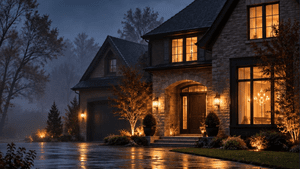
Magnolia is one of those Seattle neighborhoods people either know intimately or barely know at all. It sits on a peninsula northwest of downtown, wrapped by Puget Sound and Salmon Bay, and that geography does something to the place. It feels quiet, tucked away, a little removed from the rest of the city, even though you can be downtown in under twenty minutes.
If you are thinking about buying here, I want to walk you through what makes Magnolia special, what your money actually buys right now, and the tradeoffs worth knowing before you fall in love with it.
A Neighborhood That Feels Like Its Own World
The first thing to understand about Magnolia is that almost nobody drives through it to get somewhere else. Water on three sides means there is no through traffic, so the streets stay calm in a way that surprises people used to busier parts of Seattle. Locals have long joked that it feels so separate it might as well be called Mongolia. That seclusion is the whole appeal for a lot of buyers.
Then there is Discovery Park. At 534 acres it is the largest park in Seattle, and it takes up roughly a quarter of the neighborhood. You get more than eleven miles of trails, two miles of protected beach, forest, meadows, sea cliffs, the historic West Point Lighthouse, and long views of the Olympics and the Cascades. Having that as your backyard is rare inside a major city, and it shapes daily life here more than any single house does.
What Your Money Actually Buys in Magnolia Right Now
Magnolia is mostly single-family homes, and the architecture tells the story of a neighborhood built over decades. You will find Tudors, Cape Cods, Spanish revivals, Colonials, Craftsman homes, and classic bungalows, many on generous lots with mature trees. There are condos and a handful of apartment buildings too, but the character here is firmly residential.
On price, Magnolia sits at the higher end of the Seattle market. Recent data puts the median sale price around 1.1 million, with typical home values in the 1.18 to 1.27 million range depending on which source you look at and the month. Single-family homes specifically have been closing near 1.49 million over the past six months.
Like most of the region, values have softened a little from the late 2025 peak, which is actually good news if you are buying. It means you have a bit more room to negotiate than Magnolia buyers had a year ago.
The Commute Tradeoff You Should Know About
I always tell clients to be honest with themselves about the commute before they buy in Magnolia. Downtown is only about four and a half miles away, which is a fifteen to twenty-five minute drive most of the time. The catch is that there is no light rail in Magnolia, and there likely will not be for the foreseeable future. Getting around means a car or the bus, and during rush hour the limited number of roads on and off the peninsula can back up.
For some buyers that is a dealbreaker. For others, the quiet and the space are worth a few extra minutes in the car. There is no right answer, just the one that fits how you actually live. If you commute downtown every day and hate driving, weigh that carefully. If you work from home or value calm over convenience, Magnolia rewards you.
Life in the Village and Around the Park
Magnolia has its own small commercial center called the Village, and it covers the essentials without trying to be a destination. You get coffee shops, a couple of bakeries, local pubs, a grocery store, and a mix of restaurants including Italian, Japanese, and Thai. It is walkable and neighborly, the kind of place where you start recognizing faces.
What you will not find is a dense nightlife or shopping scene, and that is by design. People who choose Magnolia tend to be trading some of that energy for green space, water views, and streets where kids can ride bikes. It is a strong fit for families and for anyone who wants Seattle access without Seattle noise.
How to Buy Smart in Magnolia in 2026
The wider Seattle market has shifted in your favor this year. Inventory across King County is up roughly 35 percent from a year ago, giving us close to two and a half months of supply, which is the most balanced the market has felt in a long time. Thirty-year rates are holding in the low-6 percent range, and prices have pulled back modestly from their peak. All of that means buyers finally have real negotiating leverage, and Magnolia is no exception.
Here is how I would approach a purchase here right now:
- Get fully pre-approved, not just pre-qualified, before you tour. In a neighborhood with limited turnover, being ready to move matters.
- Study each street individually. Magnolia's views, lot sizes, and even the feel of a block can change dramatically within a few hundred feet.
- Do not skip the inspection. Many homes here are older, and things like drainage, foundations, and dated systems deserve real scrutiny.
- Use the softer market. Ask for repairs, closing cost help, or a rate buydown. Sellers are more open to it than they were a year ago.
- Think about resale from day one. Homes near Discovery Park, with water or mountain views, or on the quietest streets tend to hold their value best.
Magnolia is a special place, and buying here is as much about a lifestyle as it is about a house. If you are drawn to the quiet, the park, and the views, I would love to help you figure out whether it is the right fit and how to buy well in this market. My team at Emerald Group knows these streets, and we will give you the honest read, not the sales pitch. If you are thinking about making a move, reach out. I am happy to think it through with you, no pressure either way.
Ready to buy in Seattle? Brennen Clouse at Emerald Group is here to help. Call or text 206-899-9101 or visit emeraldgroupre.com.