One of the first questions I ask a buyer sitting across from me is not what their budget is. It is what they actually want this home to do for them. Are you buying a place to get a foot in the door and build some equity, or are you buying the home you plan to grow into for the next fifteen years? In Seattle, that single decision shapes everything else: the price you target, the neighborhoods you shop, and how aggressive you need to be right now.
The good news is that the 2026 market gives you more room to think this through than we have had in years. Inventory across King County is up roughly 35 percent from last summer, and buyers have real negotiating leverage for the first time in a long while. So let us walk through how to decide which path fits you.
What a Starter Home Really Means in Seattle
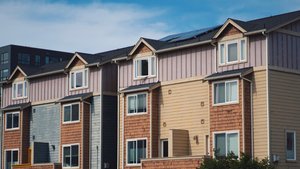
A starter home is not a lesser home. It is a strategic one. The idea is simple: you buy something you can comfortably afford now, you build equity while you live in it, and you use that equity to move up later. In Seattle that usually means a condo, a townhome, or a smaller single-family house a little farther from the core.
With the median sale price sitting near 875k and rates holding in the mid-6 percent range, the monthly payment on a full single-family home in a central neighborhood stretches a lot of first-time buyers thin. A condo in Columbia City or a townhome in Beacon Hill can get you owning for a meaningfully smaller number, and condos are where buyers have the most leverage right now.
Here is what I tell clients considering the starter route:
- Run the numbers on the full monthly cost, not just the mortgage. HOA dues, property taxes, and insurance all matter.
- Look at how the building or neighborhood has held value over time, not just the list price today.
- Be honest about how long you will stay. A starter home usually needs at least three to five years to make the math work after closing and selling costs.
What You Are Really Signing Up For with a Forever Home
A forever home is the opposite bet. Instead of moving up in stages, you stretch once, buy the house that fits your life for the long haul, and skip the cost and hassle of selling and rebuying down the road. Every time you move, you pay agent fees, closing costs, and moving expenses, so buying once can save real money if you truly stay put.
The catch is the number. A forever home in a neighborhood like Wallingford, Ravenna, or Magnolia often means a bigger down payment, a larger monthly payment, and less cushion in your budget for a while. That is a fine trade if your income is stable and you are confident about the location. It is a risky one if your job, your family size, or your city could change in the next few years.
I have walked buyers through this who were sure they wanted forever, then realized a job might take them to the Eastside within three years. In that case, a starter home or even renting a bit longer was the smarter call. Certainty about your life is worth more than certainty about the house.
How the 2026 Market Should Shape Your Choice
This is where timing matters. The market we have right now actually rewards a thoughtful buyer, and it changes the calculus for both paths.
If you are leaning starter home, the extra inventory and buyer leverage mean you can be picky and negotiate. Roughly one in three listings is taking a price cut, so you are not forced to overpay just to get in. That is a real shift from a few years ago when a first home meant waiving everything and hoping.
If you are leaning forever home, the same conditions help you too, but the bigger lever is preparation. Well-located single-family homes still draw competition, so you want to be fully pre-approved and clear on your must-haves before you shop. There is also a new wrinkle worth knowing: Washington's updated ADU rules now allow up to two accessory units on many lots with no owner-occupancy requirement. A forever home with room for a backyard cottage can become an income source or a spot for family later, which changes what a property is worth to you.
A Simple Way to Decide
When a client is genuinely stuck, I have them answer three questions honestly.
- How confident am I that I will still want this location in five to seven years?
- Can I comfortably carry the forever-home payment even if my income dipped for a stretch?
- Would I rather build equity in steps or plant roots once and be done?
If you answered confident, yes, and plant roots, you are probably a forever-home buyer. If any of those gave you pause, a starter home lets you get into the market, build equity, and keep your options open while Seattle keeps growing around you. Neither answer is wrong. They just fit different lives.
The mistake I see is treating this as a status question instead of a fit question. The best home is the one that matches where your life actually is, not the one that looks most impressive on paper.
If you are weighing a starter home against a forever home and want help running your real numbers, reach out. I would love to sit down and think it through with you, and my team at Emerald Group does this with first-time buyers every week. No pressure, just a clear look at what makes sense for you.
Ready to buy in Seattle? Brennen Clouse at Emerald Group is here to help. Call or text 206-899-9101 or visit emeraldgroupre.com.